Barcode Scanners
1D and 2D handheld, wireless, rugged, wearable and fixed-mount barcode scanners for enterprise identification workflows. Barcode scanners – also commonly referred to as barcode readers or handheld scanners – provide fast and reliable data capture in warehouse, logistics, manufacturing and retail environments.
Choosing the right barcode scanner depends on which codes must be read, from what distance and in what environment. 1D and 2D barcodes, QR codes, Data Matrix codes, damaged labels and low-contrast markings may require different scanning technologies. Handheld barcode readers, wireless and rugged scanners, fixed-mount readers and wearable scanners should be selected based on the workflow, workload, ergonomics, scanning range and connectivity requirements. VT ID has been working with barcode technology and automatic identification solutions since 1993. Our experience ranges from retail and office applications to demanding warehouse, manufacturing and automated scanning systems, including device deployment and integration into enterprise environments.
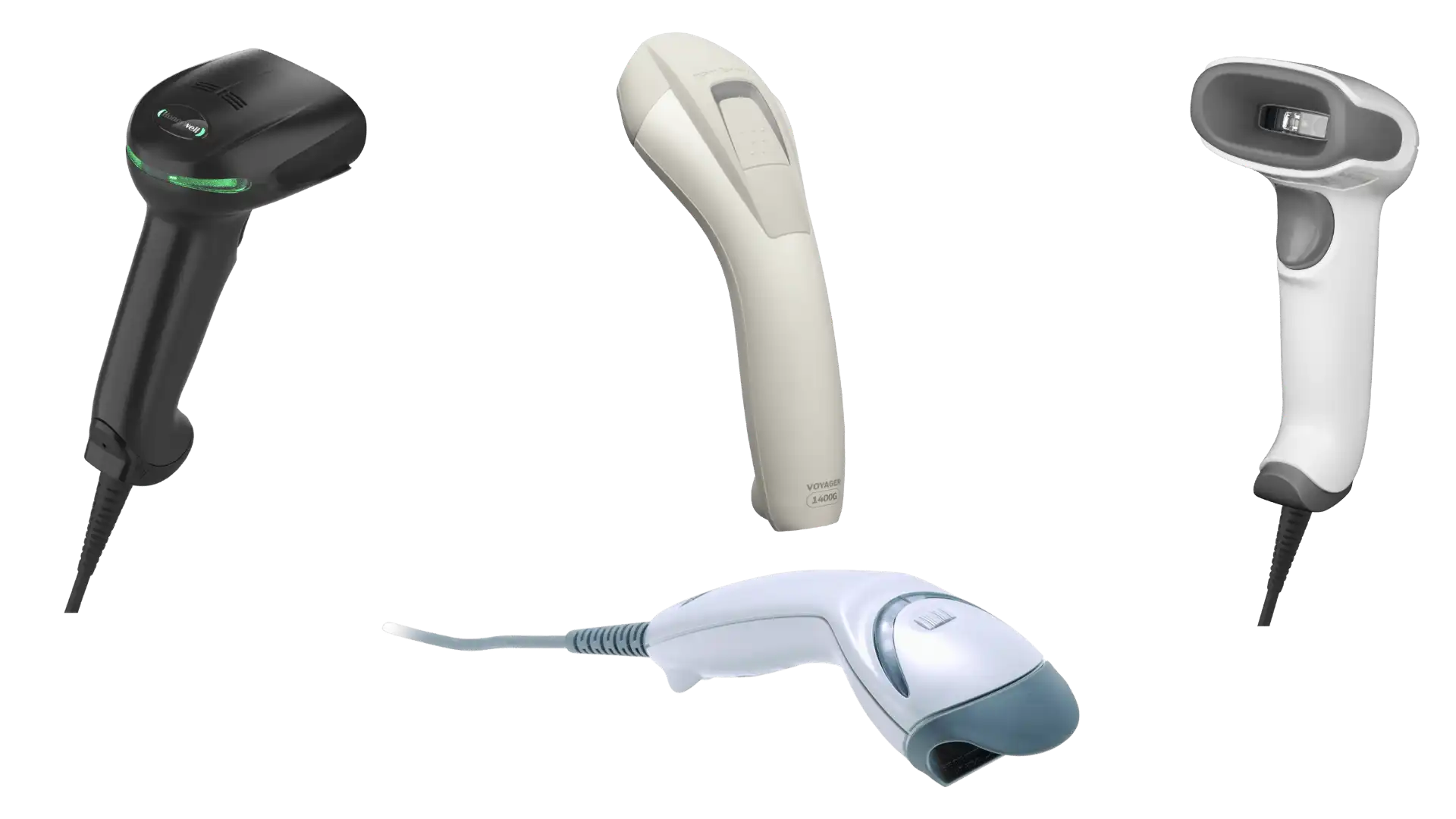
General Purpose Handheld Scanners
General purpose handheld barcode scanners for POS, office, product identification and ever…
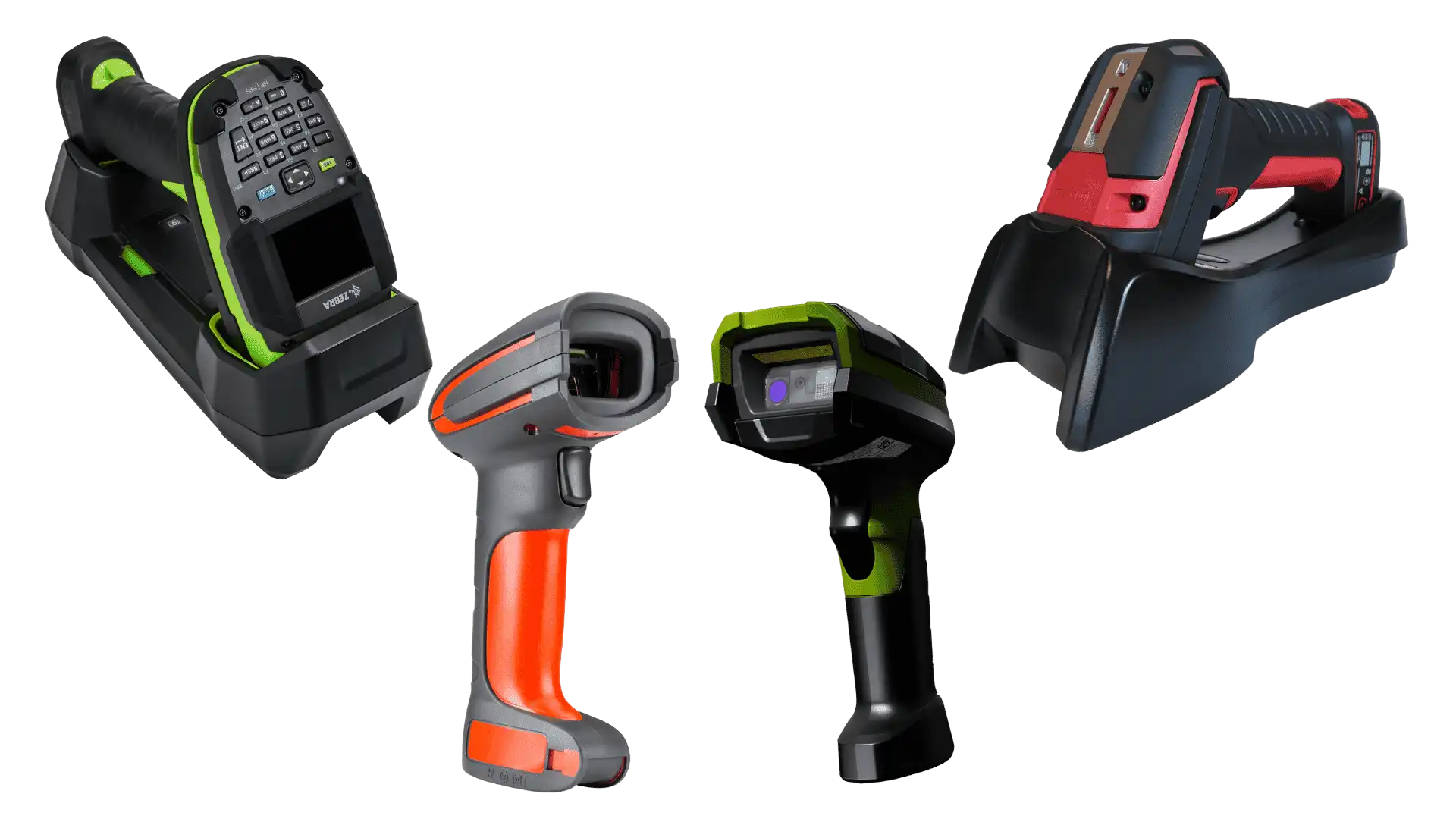
Rugged Handheld Scanners
Industrial-grade barcode scanners built for demanding warehouse, logistics, manufacturing …
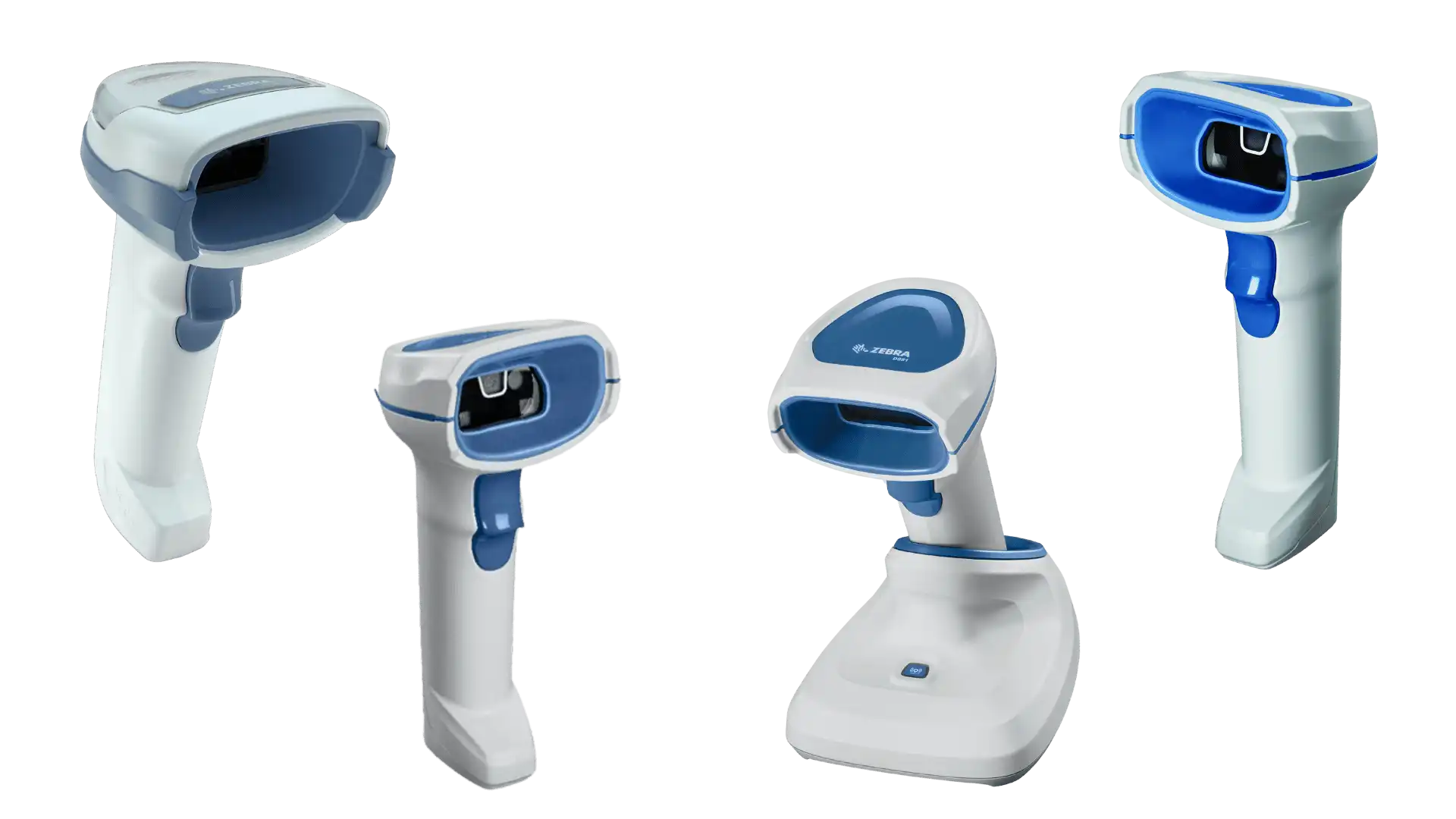
Healthcare Scanners
Healthcare barcode scanners for patient identification, medication, specimen handling and …
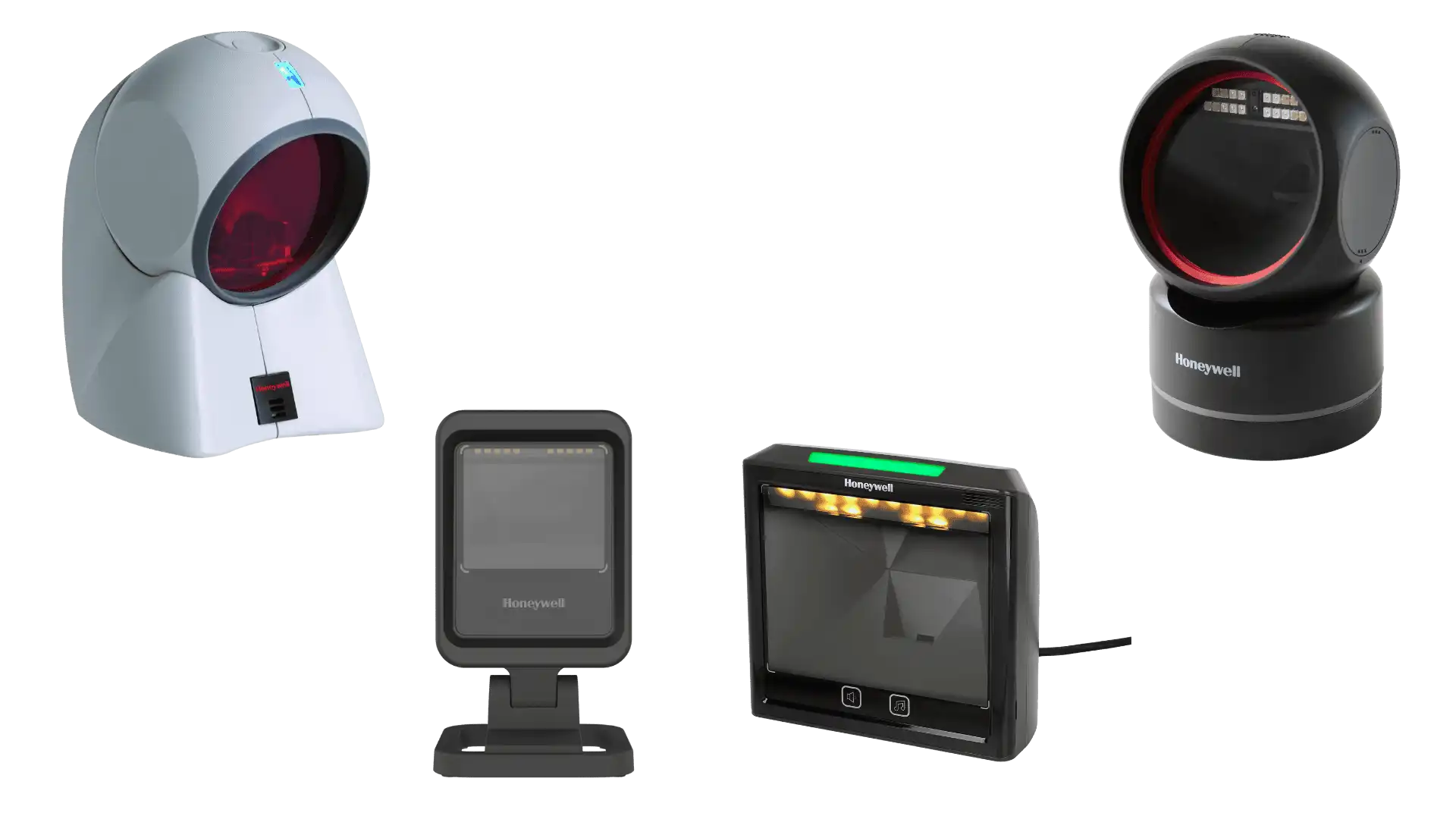
Presentation Scanners
Hands-free presentation scanners deliver high-speed, reliable barcode scanning in compact …
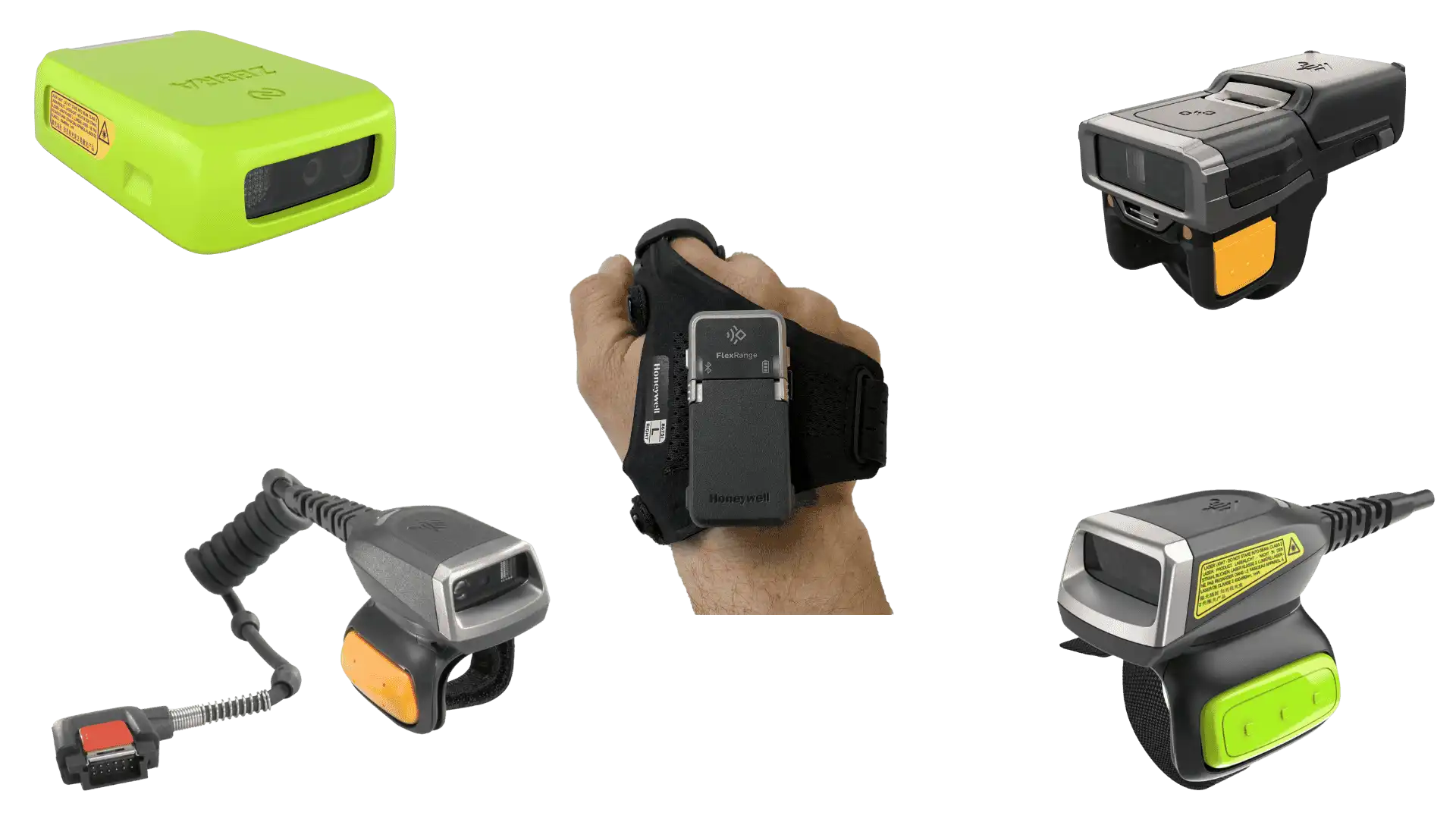
Wearable Scanners
Wearable barcode scanners and ring scanners for hands-free warehouse, logistics and pickin…
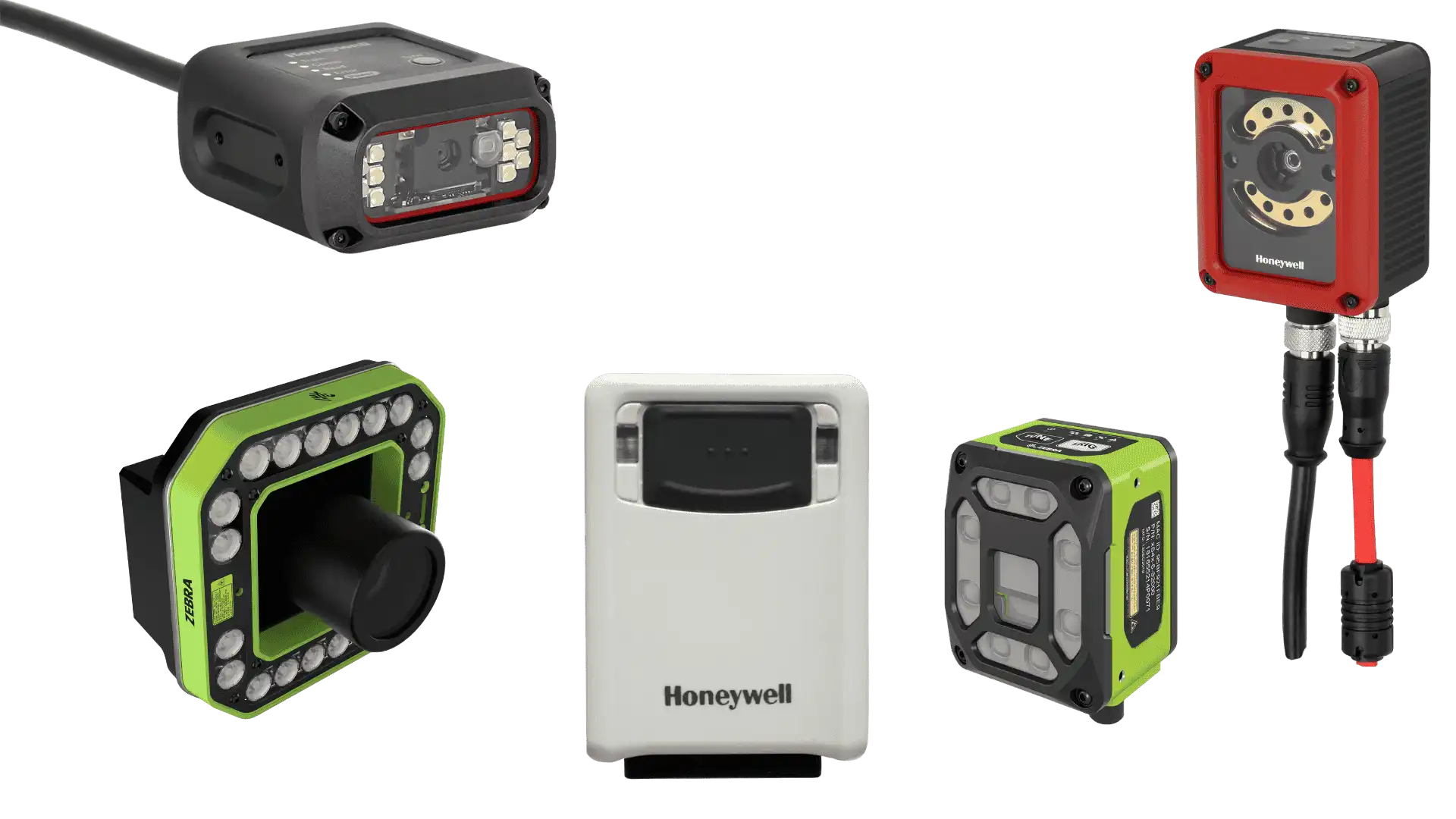
Fixed Mount Scanners
Fixed mount scanners for warehouse, distribution center and manufacturing applications.
Frequently Asked Questions
A 1D scanner reads traditional linear barcodes (e.g. EAN, Code 128), while a 2D scanner also reads QR codes, Data Matrix and other two-dimensional codes. 2D scanners are backwards compatible, reading all 1D codes too, and from any orientation. For new purchases we generally recommend 2D, as prices are now close to 1D and it is future-proof.
This requires imager technology, typically a 2D scanner – traditional laser scanners read on-screen codes unreliably or not at all. For mobile coupons, digital tickets and e-invoices we therefore always recommend an imager scanner.
By default no: scanners present themselves to the computer as a keyboard and type the scanned code wherever the cursor is – so they work instantly with any program, webshop or enterprise system. Special integration (e.g. serial port, SDK) is also possible, and we can assist if needed.
For fixed workstations (checkout, packing desk) a corded scanner is the simpler and cheaper choice, with no charging to manage. If the worker moves around or large items must be scanned, a Bluetooth cordless scanner is more convenient – depending on the model, the range typically extends from 10 metres up to several tens of metres, with the actual distance also affected by the building structure. Its cradle charges the battery, so the scanner is always ready at the workstation.
The key is not the scanner's housing but the scan engine and decoding software: 2D imagers with advanced image processing decode worn, wrinkled, dirty or poorly printed codes at a high first-pass rate, while simpler models require repeated attempts. It is worth knowing that damaged codes often stem from printing or label selection issues, so using the right supplies can improve the situation as much as changing the scanner.
Can't find what you're looking for? Contact us - we'll help you find the product or solution that best fits your requirements.