Label Printers
Desktop, industrial and mobile label printers for enterprise labeling and identification applications. Label printers – also commonly referred to as barcode printers or thermal label printers – are designed for fast and reliable printing of roll-fed self-adhesive labels, barcode labels, product labels and logistics labels.
Choosing the right label printer is not just about print speed. Important factors include daily label volume, label size and material, direct thermal or thermal transfer technology, required print resolution, connectivity options and the operating environment. VT ID has been working with barcode technology and automatic identification solutions since 1993. Our experience covers the planning and deployment of enterprise labeling systems, matching printers with the right supplies, system integration, and long-term service and technical support.
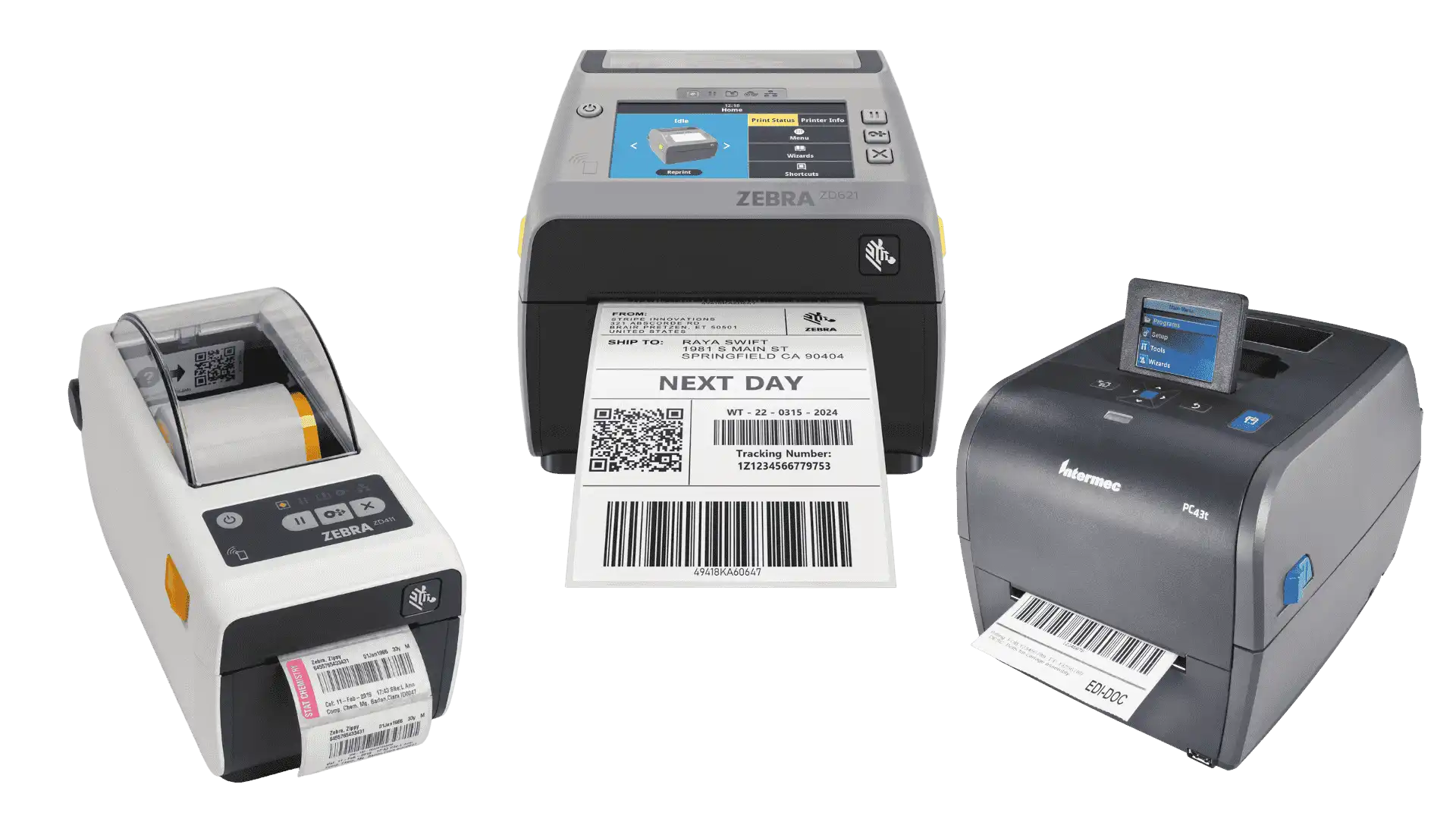
Desktop Printers
Compact desktop label printers for low and medium-volume labelling, shipping and product i…
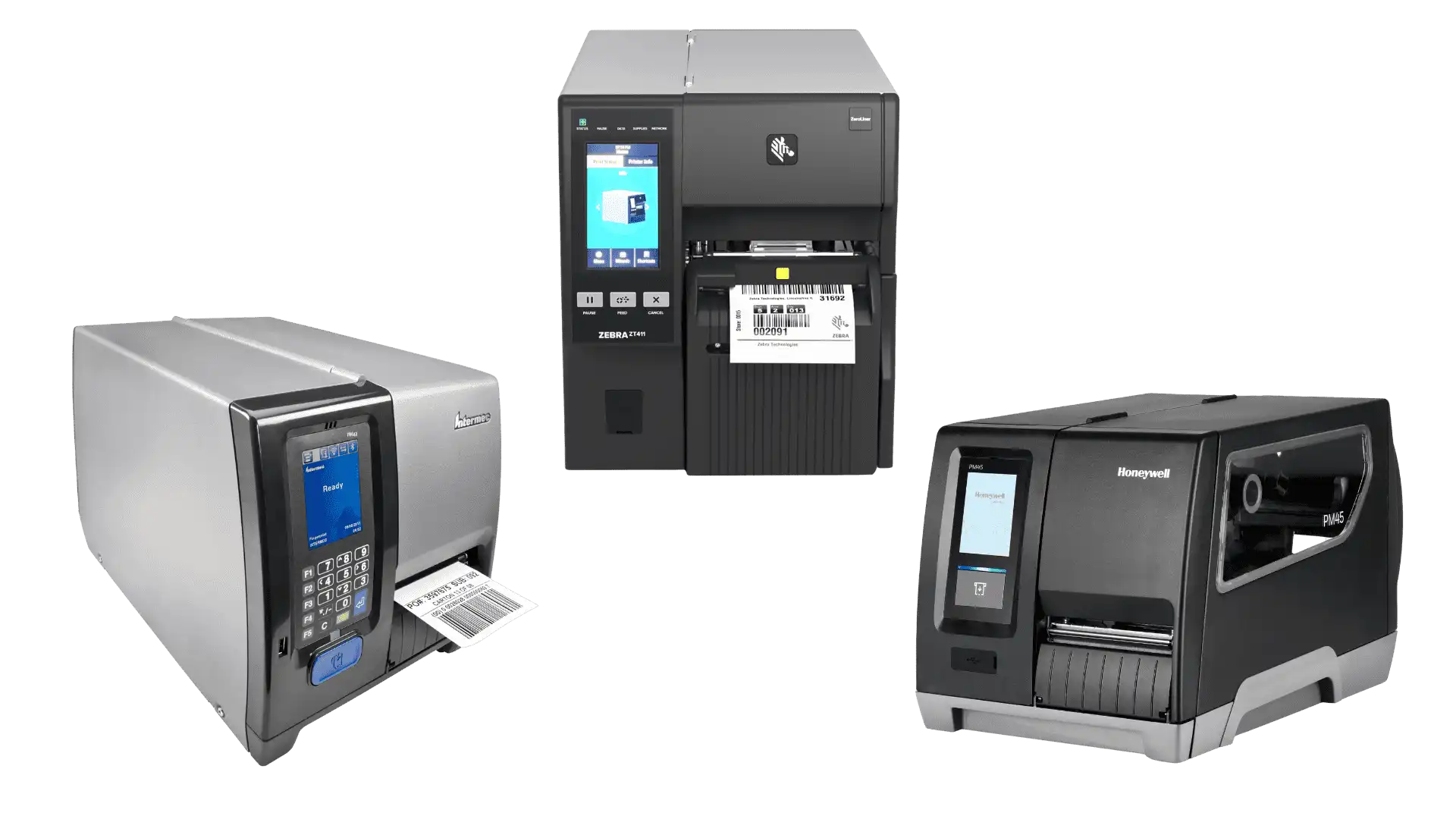
Industrial Printers
Durable industrial label printers for high-volume, multi-shift barcode labelling in demand…
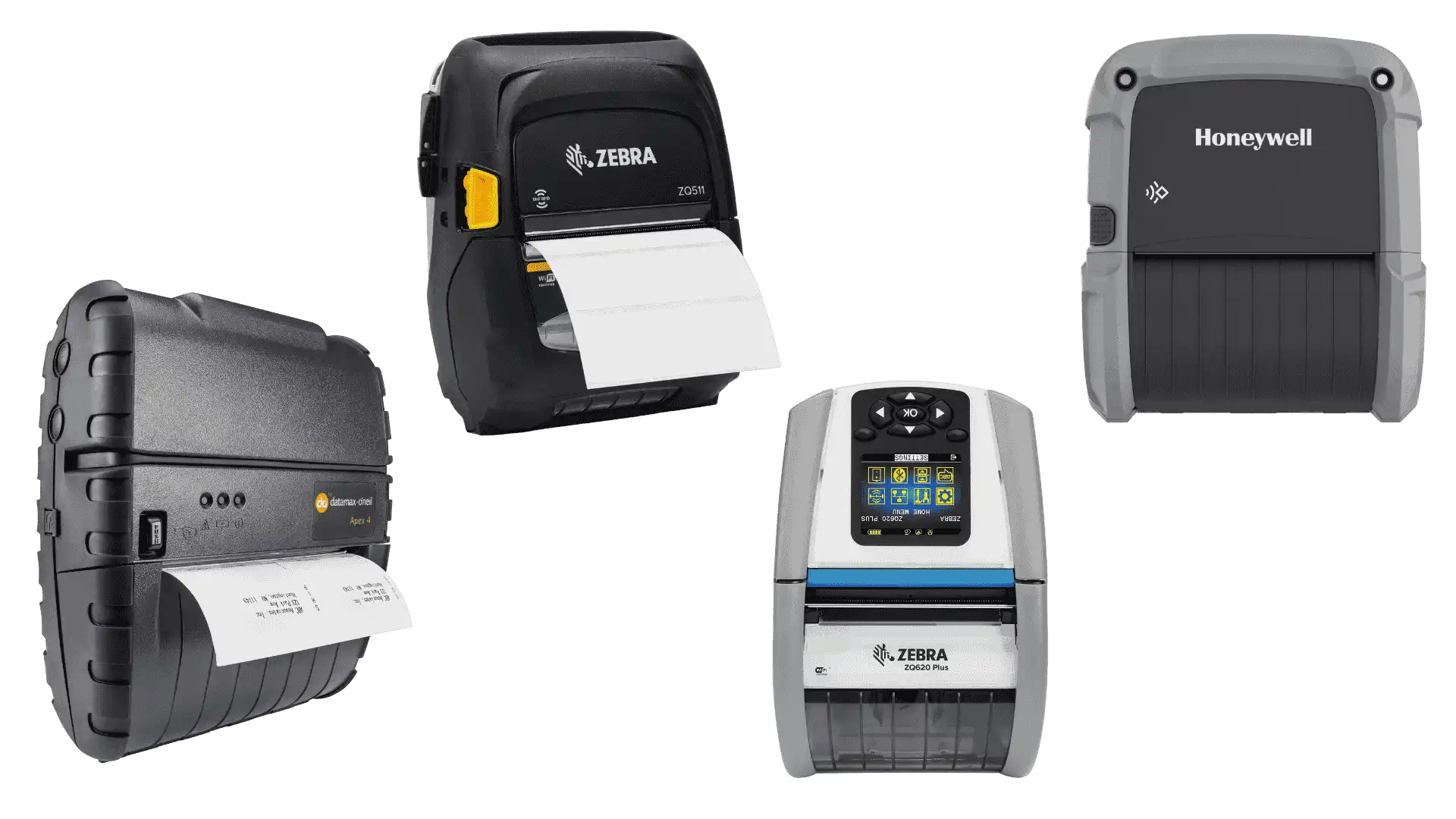
Mobile Printers
Mobile label printers for warehouse, logistics, delivery and field workflows where printin…
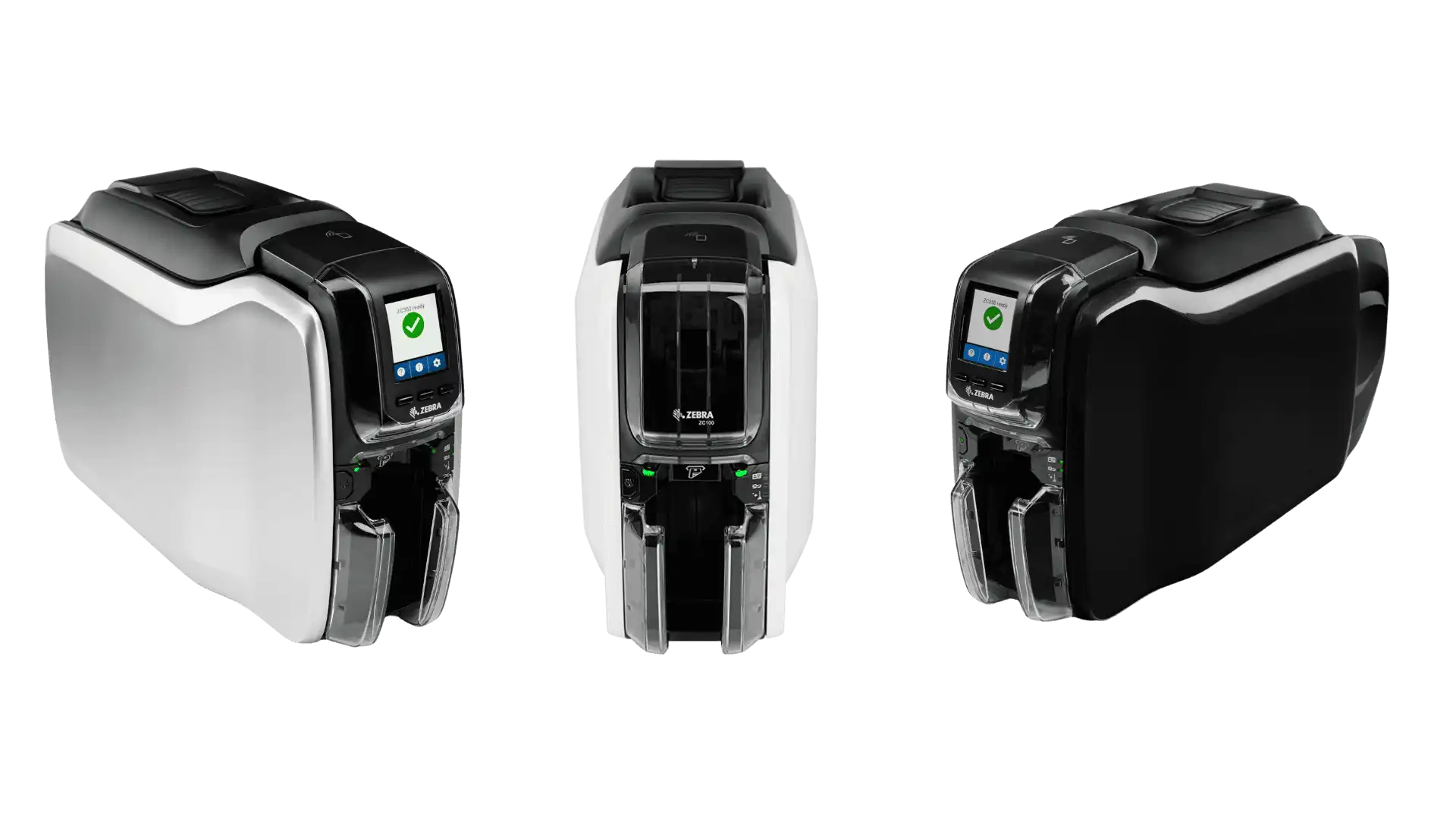
Card Printers
From employee IDs to RFID and financial cards, you get the security, supplies and software…
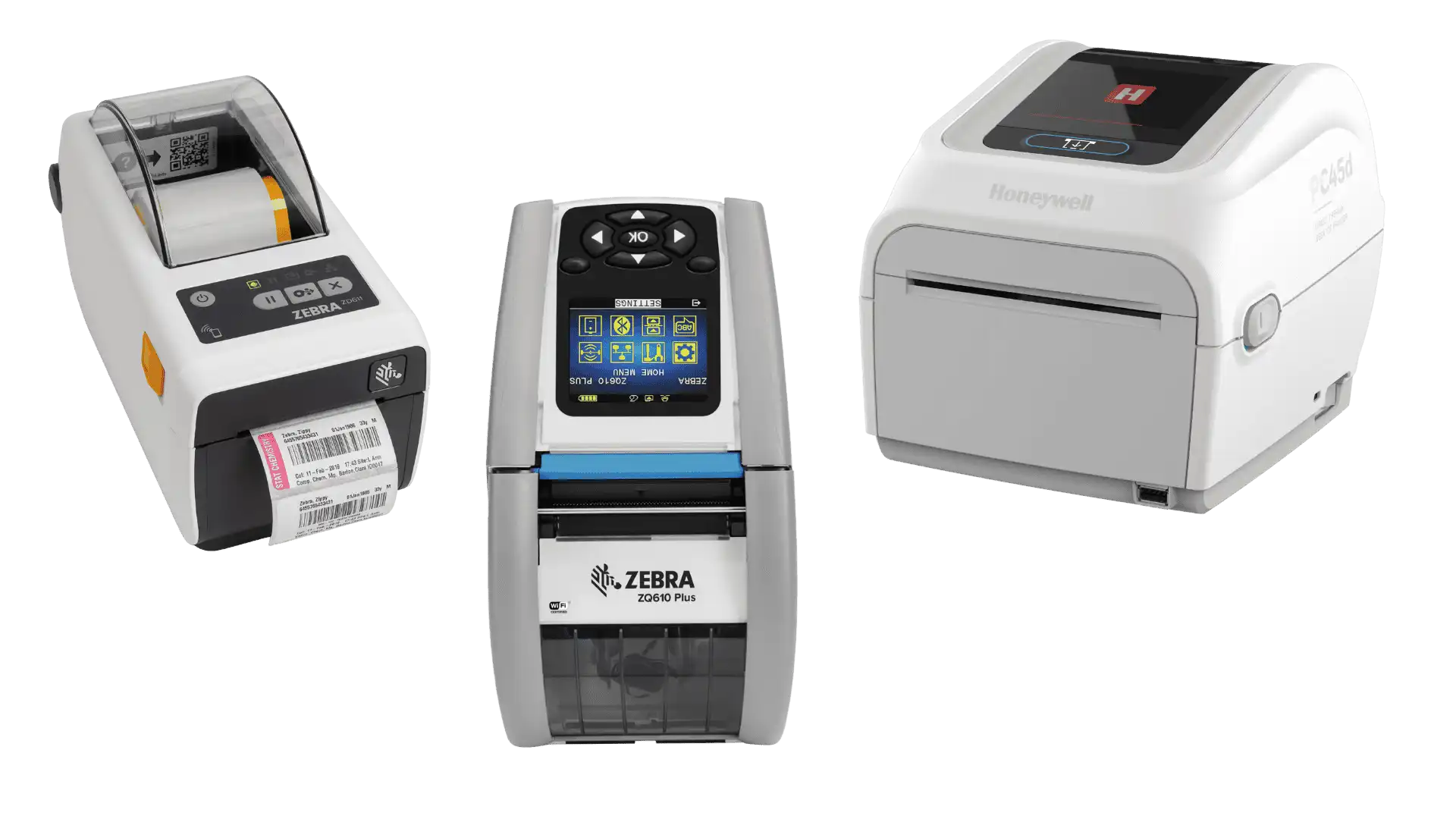
Healthcare Printers
Healthcare label printers for patient identification, specimen labelling and clinical work…
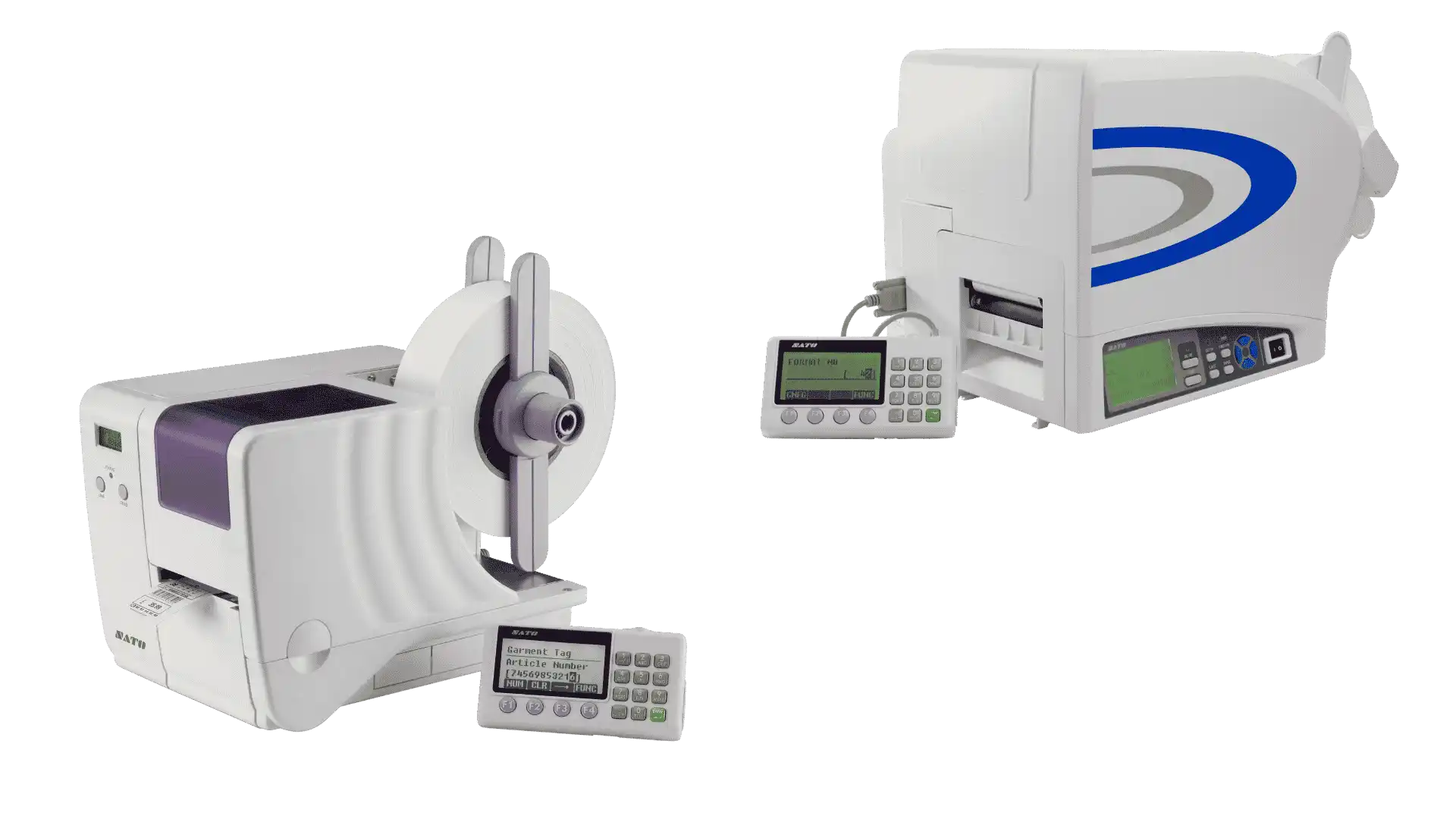
Tag Printers
Tag label printers for printing tags, hang tags, product identification tags and industria…
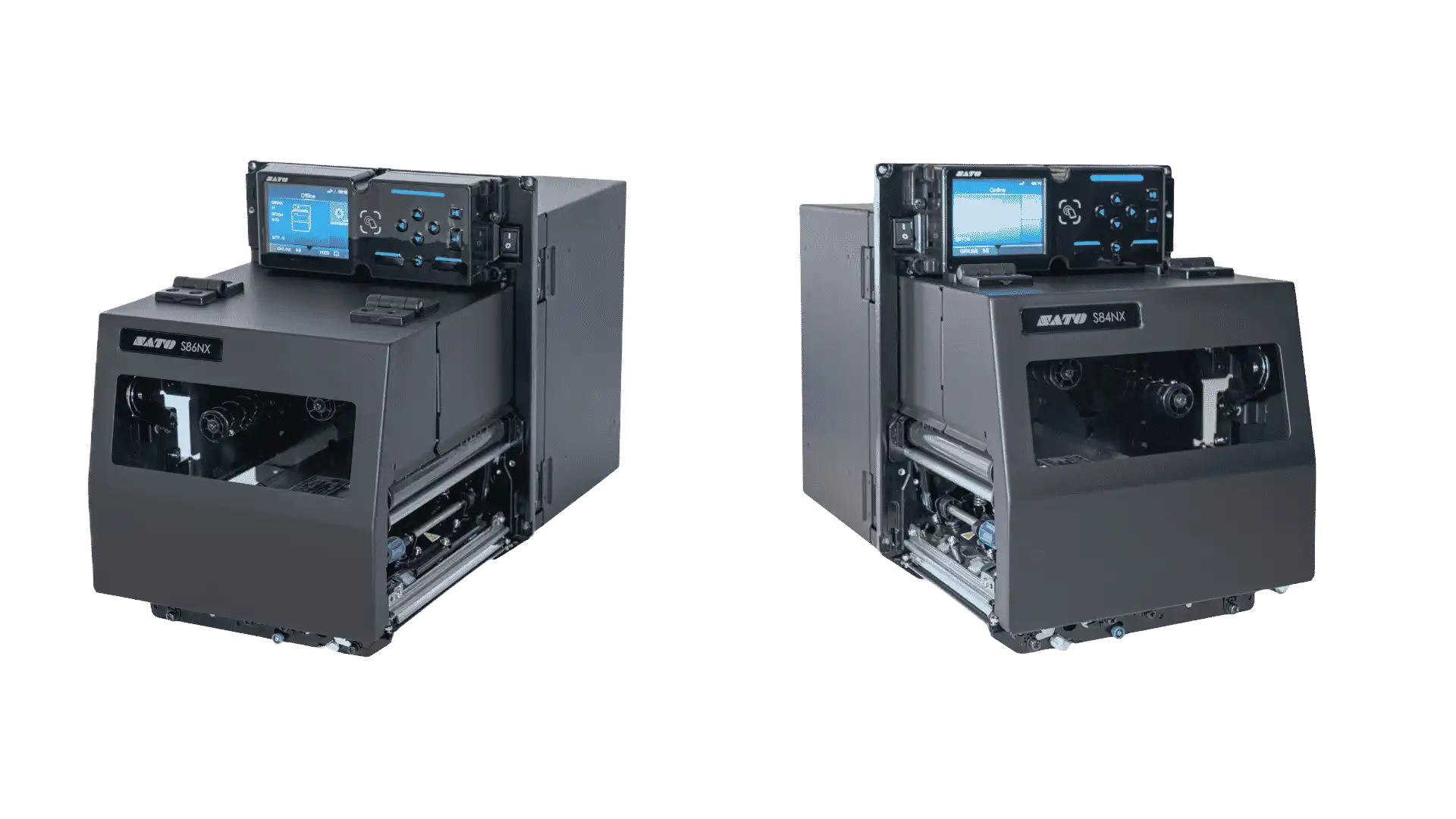
Print Engine Printers
Print engine label printers for automated print-and-apply systems, production lines and lo…
Frequently Asked Questions
The main factors are daily label volume and environment: for smaller volumes in the range of a few hundred labels a day a desktop printer is usually sufficient, multi-shift high-volume operations need an industrial model, and if printing has to move with the worker, a mobile printer is the answer. If in doubt, we help you choose based on your application.
A direct thermal printer prints on heat-sensitive labels without a ribbon: cheaper to run, but the print fades with heat and light, so it suits short-life labels (shipping labels, receipts). Thermal transfer printing transfers ink from a ribbon, producing a durable, abrasion and chemical resistant print – recommended for product labels and industrial marking. Most printers support both modes, and we also help you select the right supplies.
Dpi is the print resolution: 203 dpi is the standard, sufficient for most shipping and warehouse labels. 300 dpi is needed for small labels, small barcodes and detailed logos, while 600 dpi serves very fine marking such as electronics components. Higher resolution means slower printing and a more expensive printhead, so avoid over-specifying.
The most common print width is 4 inches (approx. 104 mm), covering standard shipping and pallet labels. For smaller product labels a 2-inch printer may be enough, while 6-inch models are available for wide industrial labels. Always size the printer for the widest label you use regularly.
In warehouse and logistics environments daily volume decides: desktop printers for lower throughput, industrial printers for high volume, and mobile printers covering on-the-spot labelling. Manufacturing typically requires thermal transfer technology and industrial build for durable marking. Send us your task description and we will recommend a specific model.
Can't find what you're looking for? Contact us - we'll help you find the product or solution that best fits your requirements.